Dual citizenship: Responsibilities, rules and best practices
Canada NewsWire
OTTAWA, ON, March 18, 2026
OTTAWA, ON, March 18, 2026 /CNW/ - Having dual citizenship can be interesting but it also can involve significant challenges. Legal obligations, administrative formalities and rights can vary from one country to another, making it essential to understand the details, nuances and realities of dual citizenship. Before travelling, make sure you understand the rules that may apply due to your dual citizenship. Just as you would make sure you understand the menu and your own dietary restrictions when going to a restaurant.
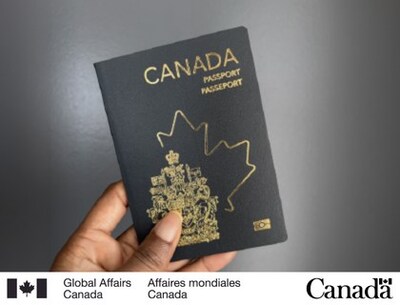
Find out more about dual citizenship.
Important information, served with a touch of levity
Having multiple citizenships is like having multiple dishes in front of you. Each has its own recipe, ingredients and ways of being served and eaten.
Entry requirements: Casual or formal?
For Canadian travellers, entering certain countries is quick and simple, like a fast-food restaurant. But with dual citizenship, the entry can be more controlled, more like a restaurant where your name and reservation are checked and there is a dress code. Your other citizenship can lead to additional questions or scrutiny.
Passports: Fork or spoon?
To eat, you need the right utensils—fork and knife only? Or do you also need a spoon? To travel, you need the complete set of documents. Some countries require their citizens to enter and exit with their national passports. That's why you must travel with all your valid passports.
Obligations: Following kitchen rules
In a restaurant kitchen, everyone must follow the rules to ensure that service runs smoothly. With dual citizenship, each country can have its own obligations: taxes, military service, forms and so on. You must know these rules to avoid issues.
Travelling on familiar ground: I know what this is!
When you visit family abroad, you may feel as though you've walked into a kitchen you know well. This sense of familiarity can be misleading: feeling comfortable sometimes means paying less attention to security advice. However, Canadians with dual citizenship face unique travel challenges. Unlike tourists, you may stay longer, consume more local food and untreated water and assume you still have immunity to certain illnesses, such as salmonellosis, when it may have lessened over time. Tourists visiting the same country tend to be more careful because everything is new to them. That's why it's important to always prepare well and consult the official advice before leaving. Even if you already know the country well, your perception of risk may no longer match the current reality. Taking time to read our advice can help prevent health or security complications.
Exit visas: Settling the bill before leaving
In some countries, you can't simply leave the territory. You need an exit visa, like the bill you need to pay before leaving a restaurant. The country checks that your obligations have been met and that there aren't any outstanding issues.
Consular services: The server
In a restaurant, the server is there to help you...but your access to them can be limited depending on the establishment's rules. In parallel, some countries do not legally recognize dual citizenship. In such situations, local authorities could restrict access to Canadian consular services. They could also question you, arbitrarily detain you or even confiscate your passport.
Reminder
As a Canadian citizen with dual citizenship, always travel with your Canadian passport to re-enter Canada by air. A Canadian passport is mandatory and is the only travel document accepted as proof of Canadian citizenship.
SOURCE Global Affairs Canada

